1. Stop-Work Orders and Fines
If a building inspector or code enforcement officer discovers unpermitted panel work in progress — through a neighbor complaint, a routine inspection for another issue, or a utility company report — they can issue a stop-work order immediately. This halts everything on your property until the matter is resolved.
Fines for unpermitted electrical work vary by jurisdiction but commonly run $200–$500 per violation for a first offense, with escalating fines for repeat violations or non-compliance. Some jurisdictions assess daily fines until the violation is corrected. In high-enforcement cities, fines for major unpermitted electrical work have reached $5,000 or more in egregious cases.
2. Retroactive Permit and Double Fees
After a stop-work order, you'll typically be required to apply for a retroactive permit — sometimes called an "after-the-fact" permit. Most jurisdictions charge double the normal permit fee for retroactive permits, as a penalty and to cover the additional staff time for enforcement. In some cases, the work must be partially exposed for inspection — meaning opening walls or ceilings to allow the inspector to verify what was done. That remediation cost falls on you.
3. Insurance Denial After an Electrical Fire
This is the consequence homeowners underestimate most severely. If a fire or electrical failure occurs in your home and your insurer's investigation reveals the panel was replaced without a permit, the claim may be denied — partially or entirely. Insurance policies almost universally include a clause requiring that work be done in compliance with applicable laws, codes, and permits.
An unpermitted panel replacement is a building code violation. The insurer can argue that the violation — not the component failure — was the proximate cause of the loss, and deny the claim accordingly. This is not theoretical: electrical fires account for billions in annual losses, and post-fire investigations routinely check permit records.
4. Home Sale Complications
Permit records are part of the public record and are routinely checked during real estate transactions. Here's what happens:
- Buyer's home inspection: A thorough home inspector will flag an unpermitted panel replacement. The report goes to the buyer.
- Title search: Open or unresolved permit issues can show up in title searches and delay or kill closings.
- Buyer's lender: Mortgage underwriters are increasingly flagging properties with unpermitted work — particularly electrical. Some lenders won't fund until the issue is resolved.
- Seller disclosure requirements: Most states require sellers to disclose known unpermitted work. Failure to disclose is grounds for legal action after closing.
- Negotiating position: Even if the sale proceeds, discovered unpermitted work typically results in a price reduction or a credit to the buyer to cover remediation — often far more than the original permit would have cost.
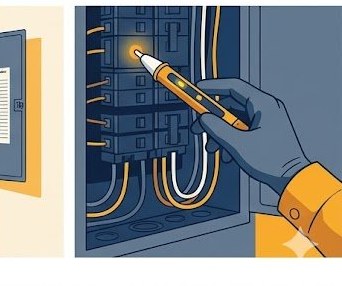
Non-Contact Voltage Tester
Before touching any wiring during a panel replacement, a non-contact voltage tester lets you confirm whether conductors are live without making contact. Inspectors and licensed electricians treat these as mandatory safety tools. The Klein Tools NCVT-3P detects voltage from 12–1000V AC and includes a built-in flashlight — widely considered the best value option for homeowners doing their own panel work.
As an Amazon Associate we earn from qualifying purchases. This does not affect our editorial recommendations.
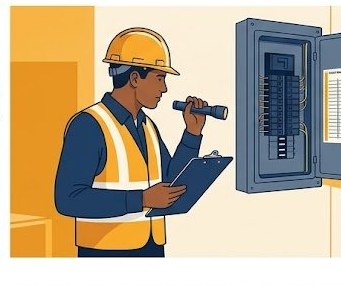
5. Safety Risks From Uninspected Work
The permit process exists because electrical panel work, when done incorrectly, creates genuine fire and electrocution hazards. The inspection catches errors that even well-intentioned homeowners and some electricians make: undersized grounding conductors, improper bonding, wrong-rated breakers, open knockouts, missing AFCI/GFCI protection. Without an inspection, these errors can persist for years — silently — until they cause a fire or injury.
Can You Get a Retroactive Permit After the Fact?
Yes, in most jurisdictions — but it's a more involved process than a standard permit. You'll need to:
- Contact your building department and disclose the unpermitted work proactively. Voluntary disclosure typically results in lower penalties than being caught.
- Apply for a retroactive permit and pay the (usually double) fee.
- Expose the work sufficiently for an inspector to verify compliance. For a panel, this may mean removing the dead front cover and documenting the grounding system.
- Correct any code violations found during inspection.
- Obtain a passed final inspection and certificate of completion.
No-Permit FAQ
Related Pages